
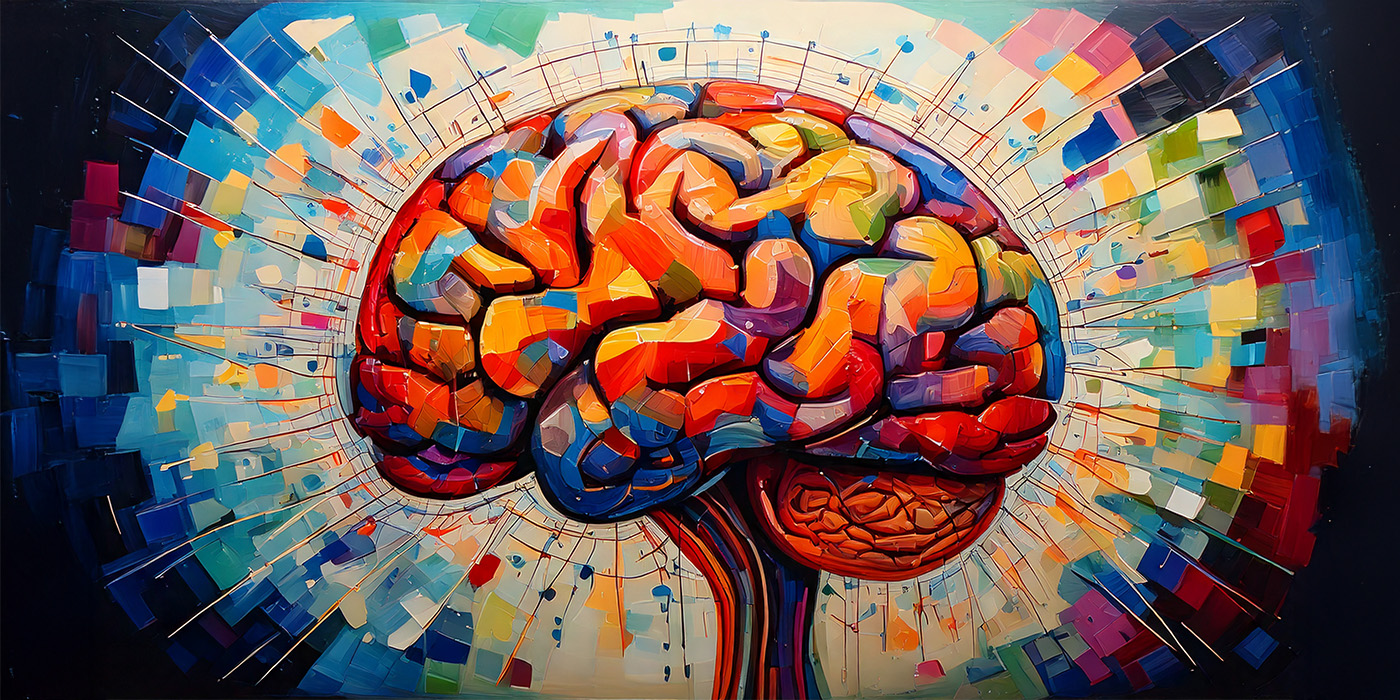
Empathy-led design thinking is strengthened by an understanding of real human behaviours, emotional responses, and diverse needs, rather than relying on simplified or fictionalised personas.
In design projects, it’s common to receive detailed personas—fictional profiles representing ideal customers. They come with names, job titles, personality traits, even preferences for coffee shops. But personas aren’t people.
Users are not predictable archetypes. Real individuals interact with digital products while juggling distractions, moods, and expectations shaped by years of experience. Understanding their cognitive patterns is more effective than designing for a fictional outline.
“People ignore design that ignores people.”
Frank Chimero
This quote encapsulates the issue perfectly. When design overlooks how people actually perceive, think, and feel, it becomes noise. Aesthetics alone don’t build connection—understanding human cognition does.
In Design for How People Think, Dr. John Whalen introduces a framework based on cognitive science that highlights the processes people engage in when using digital interfaces—in particular, the six that are most relevant to design are:
1. Vision & Attention
The human brain processes visuals faster than words. In the first few seconds of a website visit, scanning takes precedence over reading. Users are silently asking: Does this look like what I’m after? Can this be trusted?
This is where visual hierarchy, contrast, and layout clarity matter most. An immediate sense of relevance and professionalism helps anchor attention.
Practical Insight:
The homepage hero section should clearly communicate purpose and value. Imagery must reinforce the message, key actions such as calls to action should be prominent, and visual distractions need to be minimised to maintain focus.
2. Wayfinding
Wayfinding is the cognitive process of understanding where to go next. Unclear navigation introduces friction and leads to abandonment. Predictability, consistency, and minimal ambiguity are essential.
Practical Insight:
Interfaces should rely on familiar patterns to support intuitive navigation. Navigation menus are most effective when visible and logically structured, with orientation cues like hover states, breadcrumbs, or sticky headers providing subtle guidance.
3. Language
Copy is often underestimated, yet it heavily influences user interpretation. Interfaces must speak the user’s language—not marketing jargon or clever catchphrases. Clarity, tone, and relevance define how well information is absorbed.
Practical Insight:
Interface copy needs to prioritise clarity over creativity. Labels, buttons, and messages are most effective when they communicate their purpose in plain language. A consistent tone builds user confidence and reduces misunderstanding.
4. Memory
Users rely on memory and prior experience to navigate digital environments efficiently. Interfaces that align with those mental models reduce cognitive strain. Deviations need to be intentional and supported.
Practical Insight:
Designs that align with established mental models reduce user effort. Standard iconography, expected UI layouts, and familiar interactions contribute to a sense of predictability. Breaking conventions requires clear rationale and support within the interface.
5. Decision-Making
Cognitive overload happens when too many options compete for attention or clarity is lacking. Simplifying decision points and offering the right information at the right moment facilitates momentum.
Practical Insight:
Interfaces should limit cognitive load by reducing the number of choices presented at one time. Clear hierarchies, minimal distractions, and well-timed disclosures of information help users move through tasks more efficiently.
6. Emotion
Emotion drives engagement, memory, and loyalty. Interfaces that feel sterile or purely functional often fail to resonate. When design acknowledges users’ emotional state, the experience becomes more meaningful.
Practical Insight:
Emotionally resonant design elements—such as positive reinforcement, brand voice, and thoughtful microinteractions—create deeper engagement. Interfaces that acknowledge the user’s context or emotional state foster stronger connections.
Moving beyond personas
Personas aren’t inherently bad—they can be helpful starting points. But they must be grounded in real behaviour, not assumptions. Cognitive design means paying attention to what users do, not just who we think they are.
Instead of focusing on fictional characters, the design process should centre on:
- Empathy research
- Usability testing insights
- Cognitive psychology principles
- Emotional and cultural sensitivity
- Real-time feedback loops
Design that succeeds on the surface but fails in use often ignores the way people process, feel, and behave online. A genuinely human-centred approach accounts for cognitive constraints, emotional nuance, and behaviour shaped by context.
When digital experiences are aligned with how people actually think—fragmented attention, flawed memory, and all—they become not only functional but intuitive and trusted.
Share this article
Recent Posts

Learn important tips and valuable insights from my experience as a graphic designer to help you become successful in your creative journey.

Graphic design and brand strategy can help businesses grow, launch products, and build enduring relationships with their communities.
Resources

Free Graphic Design CV Template
Provide prospective employers with a glimpse of your skills and demonstrate your design mastery using my captivating graphic design resume template.
Blog
Next article

The right name can be the brand’s most valuable asset, driving differentiation and speeding acceptance.