
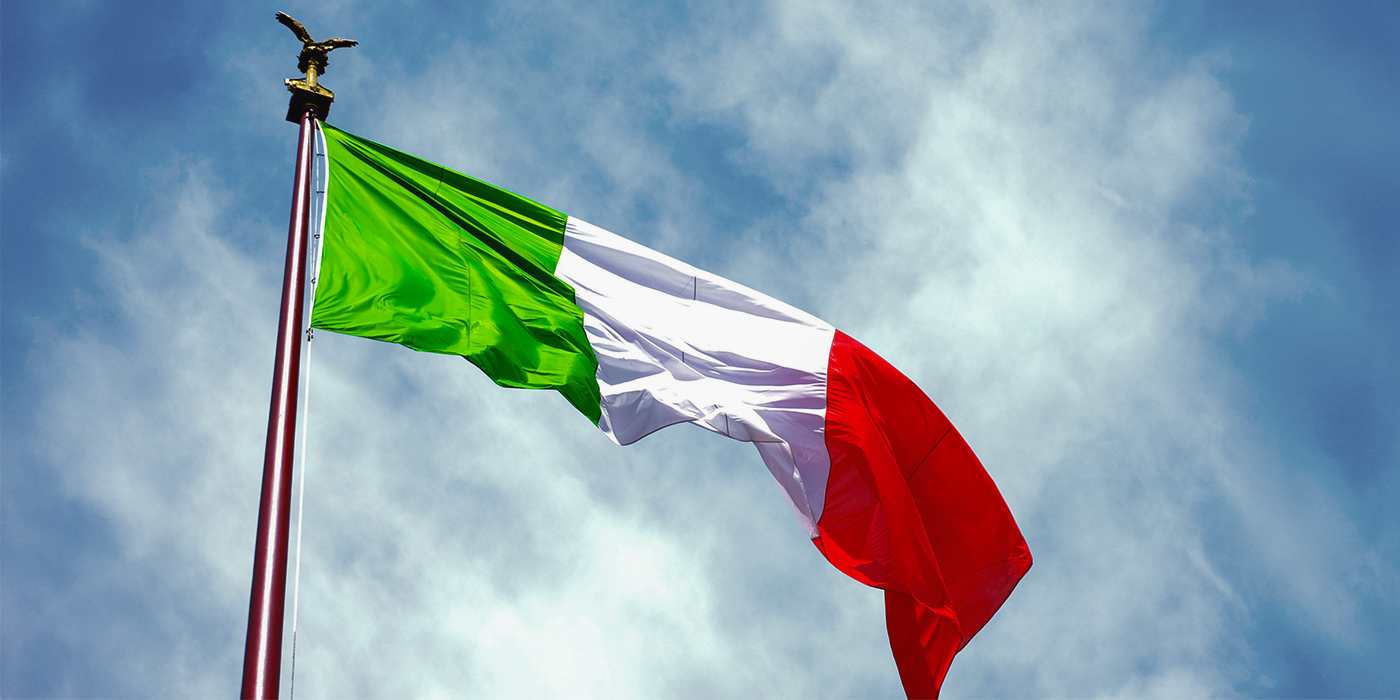
“Why did you leave Italy?” It’s a question I get often. And every time, I pause.
The truth is, I didn’t leave because I didn’t love Italy. I left because I couldn’t see a future there.
Last week was La Festa dei Lavoratori — Labour Day. A public holiday shared by Italy, the UK, and much of Europe. But for me, it doesn’t feel like a day of celebration. It brings up memories — not just of work, but of why I had to look for it elsewhere.
I was watching an Italian film not long ago, Gli ultimi saranno ultimi. It tells the story of people struggling to hold onto dignity when the system gives them nothing to hold onto. I saw myself in it. I saw my friends. And I remembered how normal it all felt — to feel powerless.
Italy’s Constitution begins: “Italy is a Republic founded on work.” But what happens when that work is unavailable, unstable, or undervalued?
When I first started out in Italy, I had dreams and a portfolio — but no connections. And that meant doors stayed closed. Even when I managed to find work, it came with conditions.
I once had a freelance job designing for a lawyer. One day, he casually mentioned that when travelling for work, we’d be sharing a hotel room “to save money.” I said no. A few weeks later, I was let go. Gender discrimination was normalised.
Another time, I reached the second interview with a design agency. They told me to buy a MacBook — even though I already had a laptop — and work for free for two weeks. “It’s a test,” they said, “then we’ll see if you can work here.” I left.
That’s how things worked. You were expected to say thank you — even when you were being taken advantage of. To work for exposure, for minimum pay, or simply because “that’s just how it is.” A permanent contract? For most, a dream. Freelancing? Often worse — more work, lower pay, and higher taxes.
Older generations often say that young people “don’t want to work.” But that’s not work — that’s exploitation.
Most of my friends were in the same situation: juggling short-term contracts, working off the books, always watching the door in case the authorities walked in. We couldn’t plan anything — not a home, not a family, not even next month.
The hardest part wasn’t just finding a job — it was the culture that told you to accept it. That if you were good, patient, and quiet, things would somehow “sort themselves out.”
I stopped waiting.
So I left. Almost ten years ago, I moved to the UK. I started from scratch. Today, I’m working full-time as a brand designer, I run my own freelance business, and I live with my partner in a house with a garden I love. I built this from scratch, with no shortcuts — just opportunities, trust, and a lot of hard work.
I’m proud of what I’ve built — but I didn’t build it alone. I was lucky to be given a fair chance. And I believe everyone deserves that.
I recently read that over 700,000 Italian graduates have left the country in search of better opportunities — nearly half the population of Milan. Italian researchers earn half of what their German counterparts do. Young Italians struggle to access stable jobs, affordable housing, or childcare. Fondazione Migrantes reports that nearly half a million Italians have emigrated in the last four years alone.
Why? Poverty wages. Housing insecurity. Disappearing public services. A widening generational gap. For many, staying simply isn’t an option.
I don’t know if I’ll see change in my lifetime. For now, Italy is the place I go for holidays. But my hope is that one day, it will also be a place where young people can live — not just survive.
Because a country truly founded on work should make work possible.
Share this article
Recent Posts

An excellent portfolio is your ticket to any graphic design job, whether you are seeking freelance work or a salaried position.

Design has the power to guide, persuade, and sometimes mislead. As designers, how do we know when we’ve crossed the line between influence and manipulation?
Resources

Free Graphic Design CV Template
Provide prospective employers with a glimpse of your skills and demonstrate your design mastery using my captivating graphic design resume template.
Blog
Next article
A logo is a simple and functional signpost to help people find and identify a business. But did you know there are 7 different logo styles?