

A great CV or resume needs to give context to your work as a graphic designer and provide details about your skills and experience.
The CV or resume is meant to convey the things that go on behind the scenes: the skills, proficiencies, and experiences that enable you to create your designs.
How to write a graphic design CV
Try thinking of your CV or resume as a snapshot of your experience and capabilities, a sample of what you can do. Here are a few tips to consider when writing your graphic designer resume:
1. Keep it short and simple
Keep your resume to a single page, or two, if you’re a freelancer with an impressive list of jobs or former clients.
Update your experience, delete what is too old and not relevant to the position you’re applying for. Hiring managers are going to be most excited about the things you’ve accomplished recently.
Use a simple layout; create clearly defined sections for each content such as contacts, experience, education, skills, etc.
2. Consider including a summary
Resume summaries can be a great way to put your experience and future goals in context. It doesn’t need to be too long, just two or three sentences. When executed well, a summary provides a fuller picture of what you bring to the table.
3. Resist the temptation to get too creative
Yes, I know. Creativity is an essential skill for a graphic designer and it can be tempting to show off a little on your CV or resume. But if you plan on applying to online job postings, you’re probably going to have to contend with an Applicant Tracking System (ATS). These systems tend to have trouble reading files with design elements like unusual fonts, images, or text boxes.
This doesn’t mean that you can’t have a design version, too. For some applications, you might be able to send your CV or resume directly to a recruiter or hiring manager. That’s why it’s better to have more than one version of your CV or resume before starting to apply.
4. Put your work in context
Don’t assume your designs alone will get you hired. Put your abilities in context, using specific examples, outcomes, and even numbers, where applicable. CVs or resumes that include examples of tangible and measurable results will always stand out.
Quantifying your experience and accomplishments will help recruiters and hiring managers better understand what you do. Put the project in context by including additional details, like how your contribution helped the achievement of a target. A graphic designer that understands the impact of his/her work and is able to demonstrate it, it’s more interesting and valuable than a candidate who only focuses on design.
5. Do include the right keywords
Applicant Tracking Systems are programmed to scan CVs or resumes for specific keywords to determine whether an applicant is a good fit for the role. Keywords matter, especially when you’re applying for a role online. Make sure you’ve included as many relevant and organically keywords as possible in your CV or resume.
If you’re having trouble identifying the important keywords in a job description as you craft an ATS-friendly CV or resume, there are online tools, like Jobscan, Resume Worded, or SkillSyncer, that can help you.
6. Include links to examples of your work
While it’s best to keep your CV or resume simple, there are still some ways to showcase your creativity, for example add a link to your online portfolio and/or personal website. Be sure that these external links are included, working and easy to spot.
7. Highlight your relevant technical skills
If you have additional skills that are relevant to a particular role, consider adding them. Go beyond graphic design tools like Adobe, and show what else you know, such as marketing, video editing, copywriting, illustration, etc.
8. Don’t use progress bars
Progress bars look cool but do not mean a thing. How do you calculate the percentage of certain skills? Companies don’t want someone who’s 60% in Photoshop or 80% in Illustrator. They want someone who knows they’re good at what they do and knows they can learn and develop their skills if they need to. A progress bar is a far too vague metric to use and penalise the candidate, while a CV or resume is all about selling yourself.
9. Double-check your work
Proofread your CV or resume. Attention to detail is a very important trait for graphic designers, you want to make sure your CV or resume is flawless before you send it out. Check also that links and contact details are correct and working. When in doubt, ask a trusted friend, partner or colleague to read it through.
Remember, your resume isn’t meant to showcase your work (that’s what a portfolio is for), but rather to highlight the skills and experiences you bring to the table. It’s an overview of what you’ve accomplished and what you’re capable of doing next.
Download my exclusive Free CV Template now and transform your CV into a compelling document that opens doors to new opportunities. Crafting the perfect CV has never been easier- download and personalise your CV today!
If you want to know more about how to write a professional CV or resume, you should check out the youtube’s channel of Career Coach Andrew LaCivita.
Share this article
Recent Posts
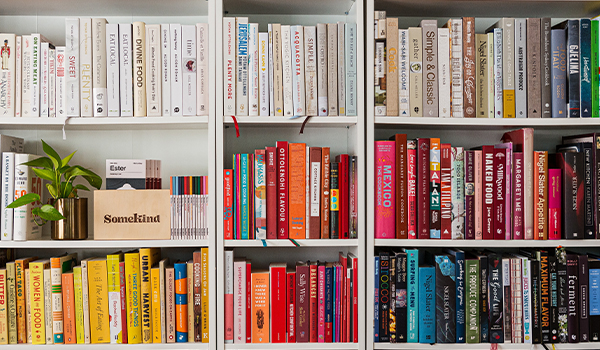
Unlock the essential reading list for graphic designers and creatives! From branding to typography, delve into curated insights to elevate your design journey.

A great CV or resume helps you give context to your work and provide additional details about your skills and experience.
Resources

Free Graphic Design CV Template
Provide prospective employers with a glimpse of your skills and demonstrate your design mastery using my captivating graphic design resume template.
Blog
Next article

The right name can be the brand’s most valuable asset, driving differentiation and speeding acceptance.