

Whether you’re drawn to the freelance hustle or the dynamic environment of a design agency or an in-house position, embarking on a career in graphic design opens up a realm of possibilities.
This blog post explores the exciting journey of becoming a graphic designer, navigating the unique challenges and opportunities that come with freelancing and working within a company or agency.
From developing your creative skills to mastering the tools of the trade, discover essential insights and practical tips learned through my experience as a graphic designer. This guide aims to inspire and guide you on the path to success in becoming a graphic designer.
Education
Becoming a graphic designer does not necessarily require a formal degree. Many successful graphic designers are self-taught and have developed their skills through hands-on experience, practice, and continuous learning. The graphic design industry values a strong portfolio and practical skills over formal education in many cases.
However, having a degree in graphic design or a related field can provide a structured learning environment, exposure to industry trends, and access to valuable resources. It can also be beneficial if you’re looking to work for a design agency or a large corporation where a degree may be preferred or required.
What matters most is your skill set, creativity, and the quality of your work. Whether you choose a formal education path or are self-taught, building a strong portfolio and staying updated on industry trends will be key to success in the field.
Skills
Becoming a successful graphic designer involves a mix of artistic and technical abilities. Skills such as creativity, attention to detail, and adaptability are essential for thriving in this dynamic field. Continuously honing these skills through online resources is key to staying competitive and relevant in the industry.
Read my article How to become a graphic designer – Essential Skills
Personal projects
Personal projects contribute significantly to skill development, providing designers with opportunities to master new tools and techniques. It is crucial to work on personal projects to start building a portfolio, showcasing a unique style and versatility, thereby making the portfolio more appealing to potential clients or employers.
Beyond professional benefits, personal projects help in building a personal brand to stand out in a competitive industry with a distinctive approach. These projects also serve as a source of inspiration, combating creative burnout, and maintaining enthusiasm for design.
Additionally, personal projects provide a safe space for experimentation and innovation, encouraging continuous improvement and keeping designers ahead of industry trends. Sharing these projects online or within communities facilitates networking, opening doors to valuable feedback, collaborations, and increased exposure.
Social media presence
Incorporating social media into your design strategy is essential. A dedicated social media account complements your portfolio, providing a dynamic platform to showcase your evolving graphic design projects. Beyond a static portfolio, it allows you to engage with a broader audience, establish a personal brand, and share insights into your creative process.
Start by creating profiles on platforms such as LinkedIn, and Instagram, tailoring each to showcase your unique design aesthetic and professional identity.
- On LinkedIn, build a comprehensive profile that includes your skills, experiences, and a link to your portfolio. Utilise the platform’s publishing feature to share your insights, or case studies of your projects.
- Instagram, being a visual-centric platform, is ideal for displaying your design portfolio. Regularly update your feed, share behind-the-scenes glimpses, highlight design challenges you’ve overcome, and describe the journey behind your projects.
Building a social media presence isn’t just about showcasing your work; it’s about cultivating a personal brand, engaging with your audience by responding to comments, participating in conversations, and sharing valuable content from others in the design community.
A well-crafted and actively managed social media presence serves as a dynamic extension of your portfolio. It not only attracts potential clients and employers, but also positions you as a thought leader within the design community, opening doors to new opportunities and collaborations.
Freelancing
Whether aspiring to be a full-time freelancer or seeking traditional employment, engaging in freelancing roles offers valuable opportunities to learn the design process, communication, project management, and receive feedback from actual clients. While personal projects contribute to skill mastery, freelancing enhances business management skills and provides insight into the administrative and accounting aspects of a designer’s job.
Once equipped with proper training, education, and skills, you can start offering services as a freelance graphic designer. Freelancing provides a chance to gain more experience, strengthen your knowledge and skills, enhance your resume and portfolio, and build connections within the industry.
Finding a job as a freelance graphic designer involves a combination of building a strong online presence, networking, and actively seeking opportunities. Showcase your best work in an online portfolio. Use platforms like Behance, Dribbble, or create your personal website to display a diverse range of your design projects.
You can discover freelance graphic design positions through job search sites like Indeed, Totaljob or Glassdoor, where you can filter the search based on freelance or remote opportunities.
Join popular freelance platforms like Upwork, Fiverr, PeoplePerHour, and Freelancer where you can create a compelling profile highlighting your skills, experience, and portfolio.
Don’t forget to inform your friends, family, and professional contacts about your freelance services. Word of mouth and referrals can lead to valuable opportunities.
Remember that finding freelance opportunities may take time, so persistence and a proactive approach are key. Tailor your approach to your strengths and preferences, and be open to exploring various channels to discover the right freelance graphic design jobs for you.
Portfolio
Within the creative industry, online portfolios are a necessary addition to any CV or resume. A portfolio serve as a visual representation of your past achievements and future aspirations, enabling you to communicate your professional journey effectively.
A standout portfolio is your passport to securing a graphic design position, whether you are seeking freelance work or a salaried position. It serves as a dynamic tool to showcase your skills, enabling you to effectively market yourself to potential employers or clients.
Read my article How to become a graphic designer – Create a stunning portfolio
CV – resume
A strong CV or resume should provide a clear picture of your work as a graphic designer, detailing your skills and professional experiences. It goes beyond the surface, delving into the skills, proficiencies, and experiences that shape your design capabilities.
Read my article How to become a graphic designer – Write a standout graphic design CV
Cover letter
A cover letter is a document sent alongside your CV or resume when applying for a job. It acts as a personal introduction and helps to sell your application. A cover letter gives you the chance to explain to an employer why you’re the best candidate for the available position. You do this by highlighting relevant skills and experience.
Not to be confused with the resume summary, cover letters should complement your CV or resume but not duplicate it. If sending electronically, put the text into the body of the email rather than as an attachment. Applications should always include a cover letter unless the job advert instructs you differently.
Read my article How to become a graphic designer – Write a cover letter that stands out
Find employment
Companies and design agencies always need talented in-house graphic designers to strengthen their creative teams. These designers are valued for their skill in turning ideas into visually attractive designs that match the brand’s style and reflect its mission and values.
Read my article How to become a graphic designer – Find employment
The journey to become a graphic designer is dynamic and rewarding, filled with diverse opportunities and challenges. Whether pursuing freelance work or seeking employment within design agencies or in-house positions, the path to success involves continuous skill development, strategic networking, and a commitment to personal growth. By leveraging educational resources, mastering essential skills, engaging in personal projects, maintaining a strong social media presence, exploring freelancing opportunities, and crafting standout portfolios, aspiring graphic designers can navigate the design industry with confidence and creativity. Every step taken, with dedication and perseverance, can bring you closer to realising your dreams of a fulfilling career in graphic design.
Share this article
Recent Posts
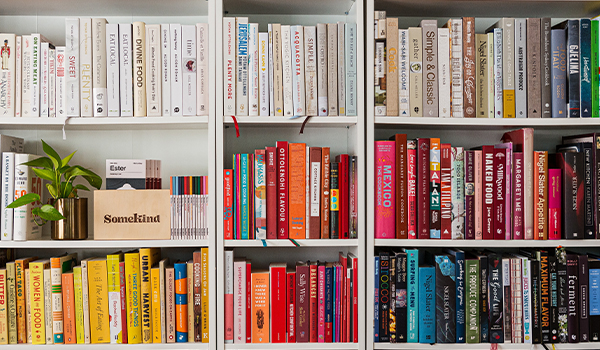
Unlock the essential reading list for graphic designers and creatives! From branding to typography, delve into curated insights to elevate your design journey.

By using smart job hunting methods and preparing for interviews, you'll easily find your way through the changing world of graphic design jobs, bringing you closer to your creative career dreams.
Resources

Free Graphic Design CV Template
Provide prospective employers with a glimpse of your skills and demonstrate your design mastery using my captivating graphic design resume template.
Blog
Next article
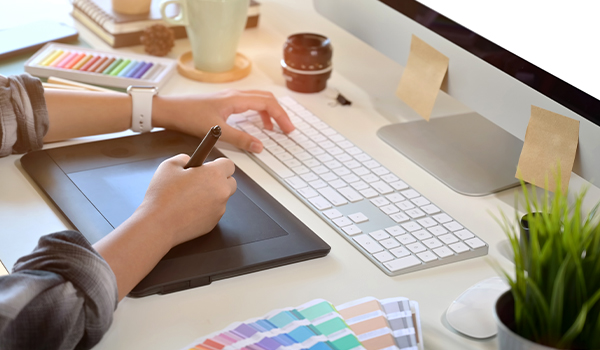
A great CV or resume helps you give context to your work and provide additional details about your skills and experience.